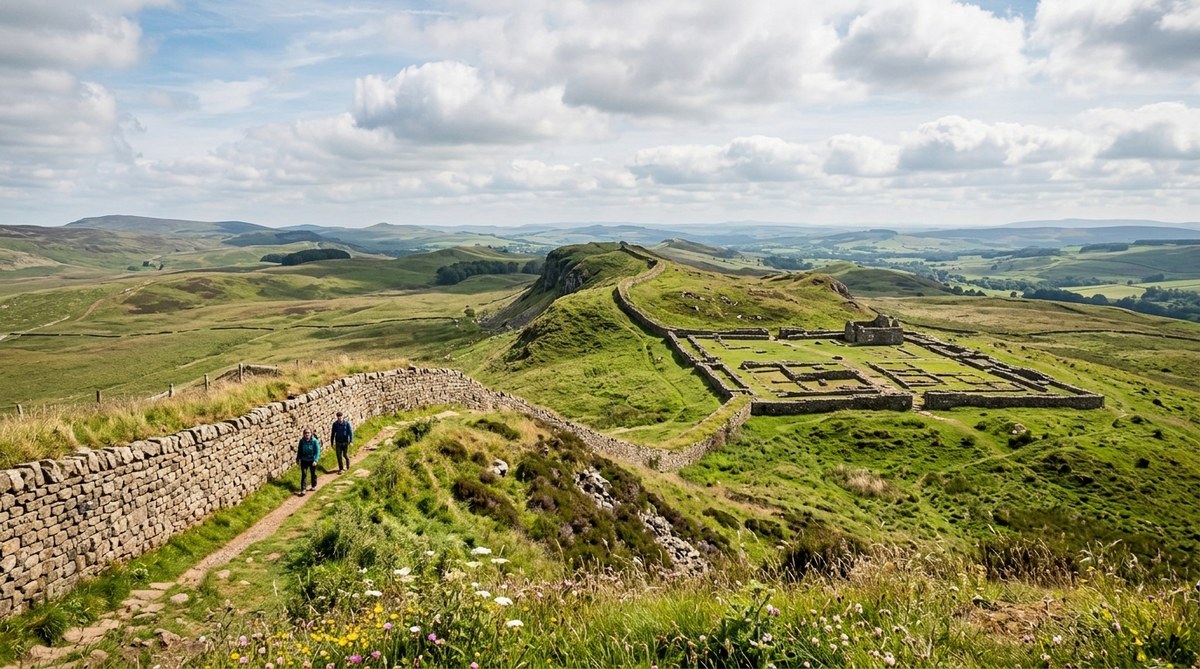
From Carlisle to the Solway coast, Roman Cumbria hides a tapestry of forts, army camps, and ancient roads that still spark the imagination. If you love Hadrian’s Wall, artifact collections, and vivid histories you can almost walk through, then a day trip or two in this frontier landscape makes for memorable exploration. On iRomans.co.uk we celebrate how to bridge history with travel. Here is your comprehensive guide to the best day trips in Roman Cumbria for history lovers, with practical planning tips so you can get the most from every mile.
Why Roman Cumbria makes a compelling day trip destination
- A compact frontier story: The Cumbria stretch of Hadrian’s Wall is packed with milestones of imperial life, from the endurance of stone forts to the daily routines of soldiers. It is a geography of marches, rivers, and watchful vantage points that invites slow, curious exploration.
- Museums that feel like time machines: Carlisle and nearby sites retain a powerful concentration of artifacts, multimedia displays, and reconstructions that bring Roman life to vivid life for all ages.
- Walkable archaeology: Many fort sites and roadside remnants sit within easy walking distance of car parks, with gentle trails, interpretive panels, and friendly staff ready to share their knowledge.
- Seasonal festivals and events: Throughout the year, Hadrian’s Wall related celebrations and local Roman themed events complement a day trip. Check local schedules to sync your visit with spectacular reenactments, guided tours, and family activities.
- Practical travel tools: A well planned day trip can combine multiple stops into a single route. Our site features travel guides and a day trip calculator to help you map efficient, enjoyable itineraries.
Top day trips for history lovers
1) Birdoswald Roman Fort and the Hadrian’s Wall Borderlands
– Why it belongs on a must do list: Birdoswald sits on the west end of the Hadrian’s Wall corridor in Cumbria and offers one of the most intact snapshots of a Roman fort within the county. The site is known for its long ramparts, well preserved turf banks, and sweeping views across the Solway Plain.
– What you can expect:
– A walkable fort precinct with interpretive panels that explain the layout of barracks, granaries, and headquarters buildings.
– An on site visitor center that shares insights about the Roman army, daily life, and the migration of troops along the wall.
– Proximity to the Wall’s best preserved sections for a scenic stroll that doubles as a living history lesson.
– Practical tips:
– Plan for 2 to 3 hours at Birdoswald, including the fort remains and the adjacent landscape walk along the wall.
– Wear comfortable footwear for uneven surfaces; bring water and a light jacket for breezy Solway days.
– Parking is straightforward and accessible from the main approach; check opening times ahead of your visit.
- Why it resonates for history lovers:
- Birdoswald provides a tactile sense of imperial logistics and frontier life, from the organization of marching camps to the day to day routines of soldiers stationed at a remote outpost.
2) Carlisle City Trail: Tullie House Museum and Roman Remains
– Why it belongs on a must do list: Carlisle is one of the oldest continuously inhabited towns in northern England, built on a Roman foundation. Tullie House Museum is a hub for Roman artifacts in the area and the city walls themselves are tangible connections to the Roman era.
– What you can expect:
– A curated collection of Roman relics including everyday items, military equipment, and civic artifacts that illuminate life in a provincial capital.
– A walkable trail through Carlisle that threads together known Roman sites, inscriptions, and the remains embedded in medieval and later town walls.
– Engaging displays that link Hadrian’s Wall to Carlisle’s long, layered history.
– Practical tips:
– Allocate a half day for Tullie House plus a stroll along the modern and historic core of Carlisle to see the city’s Roman finger prints in architecture and street names.
– If time allows, visit Carlisle Castle ruins nearby for additional context on the region’s strategic significance.
– Check any special exhibitions or family activity days at the museum calendar to enhance the visit.
- Why it resonates for history lovers:
- The Carlisle experience blends artifact rich displays with urban archaeology, showing how a frontier outpost evolved into a bustling medieval city and beyond.
3) Ravenglass Roman Bath House and the Glannauc Fort
– Why it belongs on a must do list: Ravenglass is a coastal outpost with strong Roman roots. The site includes remnants of the Roman fort Glannauc and is linked to the historic bath house that hints at the life of soldiers and civilians on the edge of the empire.
– What you can expect:
– A coastal fort landscape with visible earthworks and informative panels explaining fort life, maritime activity, and supply routes along the coast.
– Insights into the Romans’ adaptation to a maritime environment and their interactions with local communities.
– A compact, family friendly site that pairs well with a sea breeze walk and a visit to Ravenglass village.
– Practical tips:
– Combine Ravenglass with a visit to nearby Eskdale viewpoints or a short boat trip if available in season for a full day’s experience.
– Bring a camera for dramatic coastal panoramas and a notebook to jot down your observations about Roman logistics by sea.
– Check parking options and visitor hours, as coastal sites can have seasonal variations.
- Why it resonates for history lovers:
- Coastal frontiers reveal another layer of Roman imperial life, showing how Rome extended its reach and managed supply lines beyond inland forts.
4) Vindolanda and the Army Museum (A Cross Border Addition for Dedicated Historians)
– Why it belongs on a must do list: Vindolanda, just beyond the Cumbria border along Hadrian’s Wall, is famed for its impeccably preserved wooden writing tablets that offer rare glimpses into Roman military and domestic life. The adjacent Army Museum deepens the narrative with reconstructions and artifacts.
– What you can expect:
– A richly documented dig site with well preserved artifacts and interactive displays that illuminate campaigns, daily routines, and the social fabric of a Roman garrison.
– A closer look at wooden writing tablets, sandals, tools, and cooking implements, all of which bring the daily life of soldiers into focus.
– A combination of indoor galleries and outdoor excavations to explore.
– Practical tips:
– Allow 2 to 4 hours to explore Vindolanda and the Army Museum, depending on your level of interest in archaeology.
– If you are traveling from Cumbria, plan for a slightly longer day as Vindolanda is near Haltwhistle and easily combined with Birdoswald or Carlisle on a single route.
– Consider joining a guided tour on site for deeper context about the excavations and the tablets.
– Why it resonates for history lovers:
– Vindolanda is a treasure trove of primary sources that allow historians and enthusiasts to hear voices from the frontier almost directly through the tablets.
5) The Hadrian’s Wall World Heritage Parkway: Lanercost to Burgh by Sands
– Why it belongs on a must do list: The Hadrian’s Wall corridor runs through Cumbria in a way that invites a scenic, archaeology filled road trip. A self guided drive or bus route along this stretch offers multiple opportunities to stop at smaller fortlets, milecastles, and interpretive points.
– What you can expect:
– A day of varied landscapes moving from historic villages to commanding wall views above open countryside.
– Short, accessible visits to several site remnants, each with a distinct story about how the wall functioned as a strategic border.
– The chance to see a range of artifacts in local museums and oral histories from local guides and volunteers who know the landscape intimately.
– Practical tips:
– Create a flexible itinerary with a few targeted stops and a couple of scenic lookouts for photography and reflection.
– Pack a map or GPS route focused on Hadrian’s Wall stretches within Cumbria, and allow time for roadside interpretations and short forest or field walks.
– Check for local guided tours or talks that align with your travel dates, including any seasonal walking tours offered by local organizations.
– Why it resonates for history lovers:
– The Hadrian’s Wall Parkway is a living classroom for understanding frontier defense, roman engineering, and how communities interacted across a border that shaped northern England.
6) Local Festivals, Reenactments, and Artifact Trails: Immersive History Days
– Why it belongs on a must do list: History lovers often crave events as much as sites. Across Hadrian’s Wall country, there are seasonal festivals and events that bring the Roman frontier to life through reenactments, talks, family activities, and specialized tours.
– What you can expect:
– The chance to see reenactments that depict legionary life, including armor, drills, and camp life recreated with attention to authenticity.
– Guided walks and talks that explain the significance of nearby forts, mileposts, and inscriptions.
– Special exhibitions at local museums that highlight newly discovered artifacts, and interesting research.
– Practical tips:
– Align your trip with annual festival dates where possible to maximize the immersive experience.
– Check the event calendars for talk timings and book ahead where required.
– Sometimes there are multi site passes or bundled tickets; look for savings on combined visits to multiple sites.
– Why it resonates for history lovers:
– Festivals and artifact trails transform static stones into living stories, offering context in ways that traditional museum hours cannot.
Practical planning for optimal Roman Cumbria day trips
- Start with a smart route: The most efficient day trips often begin in Carlisle, a hub of Roman history with Tullie House and the city walls. From there you can branch out to Birdoswald or Ravenglass in a loop that minimizes backtracking.
- Time management: Plan each site for 60 to 90 minutes minimum and longer at places with strong interpretive centers. If you want to combine two or three sites in one day, keep driving times under 45 minutes between stops.
- Accessibility and parking: Most major sites have on site parking or nearby lots. If you have a mobility concern, prioritize places with good access to ramps and level pathways.
- Weather aware packing: Northern England can be breezy and rainy. Bring a light rain shell, a hat, sun protection in summer, and sturdy walking shoes year round.
- Family friendly approach: Many sites have hands on displays, kid friendly trails, and QR code based guides. Bring a notebook or a simple scavenger hunt to keep younger travelers engaged.
- Food and beverage: Plan a lunch stop in Carlisle or Ravenglass where you can sample local dishes and rest before the afternoon exploration.
- Tickets and passes: Look for combined tickets to multiple sites or a Hadrian’s Wall pass if you plan to visit more than one stronghold. Check official sites and local visitor information for current pricing.
- Safety and respect: Respect on site signage and preserve the archaeological remains for future generations. Stay on marked paths and don’t touch fragile artifacts unless a guide says it is safe.
A sample day trip route for history lovers
- Start in Carlisle: Tullie House Museum to see key Roman artifacts and a quick walk along the city walls.
- Drive to Birdoswald Roman Fort: Tour the fort, then take a short stretch along the Hadrian’s Wall landscape for panoramic views.
- Lunch near the fort site: A local cafe or pub in nearby villages offers a true Cumbria experience.
- Afternoon option A: Vindolanda and the Army Museum if you want to cross into Northumberland for a deeper dive into writing tablets and fort life.
- Afternoon option B: Ravenglass for a coastal Roman site with bath house remains and a scenic coastline before returning to Carlisle.
How to use iRomans.co.uk to plan your journey
- Day trip calculator: Use our day trip calculator to estimate driving times, site opening hours, and the best order to visit forts and museums in your chosen route.
- Fort history deep dives: Each fort and site features a short, accessible write up on the fort type, garrison structure, and the nature of Roman activity in the area.
- Practical travel guides: Detailed tips for parking, accessibility, opening times, and child friendly options help you plan efficient and enjoyable trips.
- Festival calendars: Stay up to date with Hadrian’s Wall related events and regional celebrations that complement your visit with live demonstrations and guided tours.
- Artifact spotlights: Learn about the most interesting artifacts you may see at your stops, and how these items illustrate daily life for soldiers and civilians on the frontier.
In conclusion
Roman Cumbria is a treasure trove for history lovers who want to combine archaeology with scenic landscapes, architecture with artifacts, and a well paced day trip with practical travel guidance. Whether you walk the ramparts around Birdoswald, explore the artifacts at Tullie House in Carlisle, or uncover the secrets of Vindolanda tablets, every stop adds a new layer to the frontier story. The Hadrian’s Wall frontier is not a single place but a corridor of memory threaded through villages, farms, and coastlines. By using a thoughtful route, checking schedules, and leaning into local guidance, you can craft a day trip that feels like a private tour through the life of a Roman province.
If you are planning multiple day trips or a longer exploration, remember to combine a few complementary stops to maximize your time. Use our day trip calculator to organize your journey, estimate travel time, and ensure you can fit in a museum visit, a fort walk, and a scenic overlook all in one satisfying day. And if you are new to Roman Cumbria, start with Carlisle and Birdoswald as your anchor points, then add Ravenglass and Vindolanda to widen your understanding of empire life on the edge of Rome.
We invite you to bookmark iRomans.co.uk for continued discovery of Hadrian’s Wall, forts, festivals, artifacts, and the practical travel guides that help you turn history into memorable day trips. Share your experiences and favorite routes in the comments, and tell us how you mapped your own Roman Cumbria adventure. Whether you are a serious history buff or a curious traveler seeking to connect with the past, Roman Cumbria is a destination that rewards time, curiosity, and careful planning.