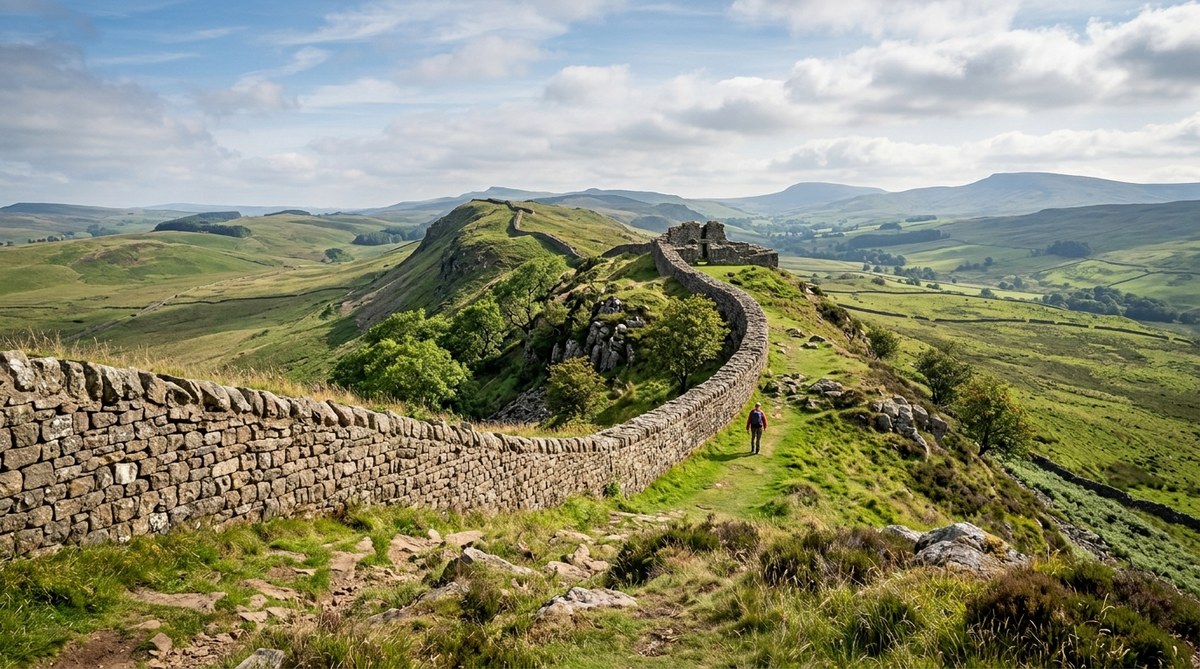
Hadrian’s Wall in Cumbria is not just a line of ancient stone; it is a living doorway into Roman Britain. The countryside around the wall blends dramatic landscapes with well preserved ruins, inviting visitors to step back in time while staying grounded in today’s adventures. At iRomans.co.uk we celebrate the connection between history and exploration, offering practical travel tips, day trip calculators, and rich insights into forts, artifacts, and the stories that make Hadrian’s Wall a must see for locals and travelers alike.
Why Hadrian’s Wall remains a must see in Cumbria
Hadrian’s Wall stretches across northern England, marking the edge of the Roman Empire in Britain. In Cumbria you can walk parts of the wall where the earth has kept its secrets for nearly two millennia. Why visit now? Because the wall is more than a ruin it is a living museum of landscape, architecture and daily life from a distant era.
- It is a UNESCO World Heritage site, recognized for its engineering, scale and historical significance.
- The surrounding countryside offers some of the most dramatic vistas in Cumbria, with river valleys, fields and green dales that set the stage for Roman forts and watch posts.
- You can pair outdoor exploration with indoor experiences at nearby museums and visitor centers.
For many visitors the appeal lies in the balance between outdoor walking and showing interest in the people who built and used the wall. Forts and mile castles punctuate the route and each stop reveals a peek into Roman military life, diet and logistics. With the right planning you can enjoy a full day along the wall or extend your trip to include local towns and museums.
Planning your visit
A successful Hadrian’s Wall trip starts with smart planning. Here is a practical framework to help you design your day around your interests, mobility, and pace.
- Best times to visit
- Spring and autumn generally offer comfortable temperatures and fewer crowds.
- Summer provides long daylight hours perfect for hiking but can be busier in popular spots.
- Winter visits are possible but expect limited facilities and more challenging weather.
- Getting there from key hubs
- Carlisle and surrounding towns offer convenient access to the western stretches of the wall.
- From Newcastle or Gateshead you can reach eastern to central sections with rail or coach links and then drive or take local buses.
- If you are coming from London or the south, plan a long day or consider an overnight stay to maximize the experience.
- Transportation and parking
- Driving gives you maximum flexibility to hop between forts like Birdoswald, Bowness on Solway and other sites.
- Some sites have designated parking areas with easy access from the visitor center or the fort ruins.
- Public transport connects major towns with limited service to remote spots; check local timetables in advance.
- Accessibility and facilities
- Some fort grounds have uneven surfaces and grass paths; a sturdy pair of walking shoes is essential.
- On site you may find picnic areas, toilets, and small cafes near visitor centers, but offerings can vary by location.
- Bring water, layers for changing weather and sun protection for exposed walks.
- Day trip calculator and itineraries
- Use our day trip calculator to estimate driving times, distances and time at each site based on your starting point.
- Sample itineraries:
1) Western loop (Birdoswald and Bowness on Solway): 4 to 6 hours including time for short guided stops.
2) Central wall focus (Housesteads or Vindolanda via car or bike): 6 to 8 hours with museum time.
3) Full wall day (connect multiple forts, visitor centers and trails): 8 to 10 hours with breaks. - Add a museum stop like Tullie House to enrich the day with Roman artifacts and local history.
If you want a tailored plan, our Fort History and Day Trip Calculator pages can help you optimize timing, travel modes, and the order of sites based on your preferences.
Exploring the wall and forts
The Hadrian’s Wall corridor hosts several forts that tell different chapters of Roman life. Even if you only have a day, you can visit several key locations and gain a sense of the wall’s scale and purpose.
- Prominent forts you can visit from the Cumbria side
- Birdoswald Fort (Banna) – one of the best preserved forts along the wall. It sits on the green expanse of the Solway plain and offers largely intact earthworks and a visitor center.
- Bowness on Solway Fort – located near the Solway Firth, it provides a misty dramatic setting with informative displays.
- Chesters Fort (Cilurnum) and the Military Museum near Hadrian’s Wall country, offering insights into Roman cavalry life and engineering.
- Forts that frame the story beyond Cumbria
- Housesteads Fort (Vercovicium) – a flagship site with milecastle towers and spectacular views across the Northumbrian countryside.
- Vindolanda – famous for its rich written archives and reconstruction work near Bardon Mill, just north of the Cumbria border.
- How to choose where to start
- If you love sweeping landscapes and well preserved ramparts, Birdoswald is a powerful first stop.
- For a blend of history, archaeology and accessible facilities, Vindolanda and its museum offer a deeply engaging experience.
-
If you are short on time, pick one major fort and a stretch along the wall nearby to maximize context with minimal travel.
-
Interpreting the sites
- Many forts feature reconstructed structures, informative panels and audio guides that describe garrison life, daily routines, supply chains and military strategy.
- Look for milecastles and roads that reveal how soldiers moved quickly along the frontier.
-
Some sites host seasonal events or living history days that bring Roman soldiers and civilians to life.
-
Tullie House Museum and collections
- Located in Carlisle, Tullie House offers a curated look at Roman Cumbria, local artifacts and a bridge to onsite explorations.
- The museum houses Roman weapons, pottery, coins and everyday items that illuminate what life looked like beyond the wall.
- An ideal stop after a day of outdoor exploration, Tullie House helps you contextualize what you saw outside with curated displays and expert galleries.
Museums, artifacts and interpretation
To deepen your understanding of Hadrian’s Wall you can combine a site visit with museum encounters that frame the archaeology in broader narratives.
- What you can expect at Tullie House Museum
- Roman period exhibits that tie local findings to broader imperial history.
- Reproductions and interpretive panels explaining construction techniques, supply lines and garrison life.
- Temporary exhibitions that highlight recent archaeological discoveries from the Cumbria and Northumberland regions.
- On site artifacts you may encounter along the wall
- Pottery shards showing daily cooking and storage practices.
- Tools and weapons used by soldiers and laborers.
- Inscriptions and stone carvings that reveal names, rank and unit designations.
- How to approach artifact interpretation
- Read the museum labels and look for the context around each item: where it was found, what it was likely used for, and how it connects to military life or civilian interactions.
- Think about the material culture of a frontier zone and how resources, trade, and logistics shaped life on the edge of the empire.
- If you travel with kids, turn artifact spotting into a mini scavenger hunt, asking questions about what items tell us about Roman daily life.
Festivals and events
Hadrian’s Wall hosts a few compelling events that bring the wall to life beyond steady site visits.
- Hadrian’s Wall Festival
- A seasonal celebration that spotlights Roman history, archaeology, and local culture through talks, guided walks and hands on activities.
- Activities often span multiple locations along the wall, allowing you to plan a multi stop day that suits your pace.
- Re enactors and living history days
- Find opportunities to watch costumed interpreters describe Roman life, from marching drills to cooking demonstrations.
- These events are especially popular with families and educational groups, but they are enjoyable for visitors of all ages.
- How to participate
- Check the official Hadrian’s Wall events calendar or our events page for dates, locations and ticket information.
- Some events require advance booking; others are free with the option to join guided tours.
Practical travel guides
A thoughtful travel guide helps you maximize your experience, stay comfortable and minimize hassles.
- For day trippers
- Focus on 1 to 2 forts plus a stretch of the wall that connects them.
- Plan a loop that includes a museum stop for context, then finish with a meal in a nearby town.
- Allow time for weather changes and photo opportunities, especially near clifftops and river valleys.
- For families with kids
- Choose flatter sections of the wall with accessible paths and plenty of informative panels.
- Look for interactive exhibitions at visitor centers and child friendly museum displays.
- Pack snacks, sun cream, hats and waterproofs as conditions can change quickly.
- For hikers and cyclists
- The Hadrian’s Wall long distance routes offer extended trekking options.
- Bring a map or use a reliable GPS guide to stay on safe paths and avoid bridleways when signage is unclear.
-
Consider a multi day plan that includes a mix of camping or lodging along the route.
-
Where to stay and eat near the wall
- Wake up with a hearty local breakfast in Carlisle or towns near the western end of the wall.
- Choose country inns or B and Bs with Roman Frontier themes for an atmosphere that mirrors the landscape.
- Areas around Birdoswald and Bowness on Solway offer cafes and pubs that serve simple, satisfying meals after a day of walking.
-
If you want to indulge in a special meal, look for restaurants offering local produce such as lamb, wild garlic and seasonal vegetables from nearby farms.
-
Practical packing list
- Comfortable walking shoes, rain gear and a light jacket
- Water bottle, a small bag for souvenirs and a camera or phone for photos
- A printed map or a loaded offline map on your phone
- A power bank for devices used to capture notes or photos
Where to start your Hadrian’s Wall journey
If you are visiting Cumbria for the wall, here are two suggested starting points that combine accessibility and insight.
- Start west at Birdoswald Fort
- Beautiful views, substantial earthworks and accessible facilities.
- A great first stop to set the scene before moving east along the wall.
- End at Bowness on Solway or Stanwix near Carlisle
- Both offer additional interpretive displays, shorter walking options and rest facilities after a day of exploration.
- A final stop at a local museum or café can help you reflect on what you saw before heading home.
Family friendly tips
- Choose short and flat sections to introduce younger visitors to the wall.
- Look for hands on exhibits inside visitor centers and museums.
- Allow for breaks and snack times so kids stay engaged without fatigue.
- Consider booking a guided family walk that focuses on Roman life and everyday activities.
Safety and conservation
Preserving Hadrian’s Wall for future generations is a shared responsibility.
- Stay on marked paths to protect fragile earthworks and archaeologically sensitive areas.
- Do not remove stones or artifacts you find; even small fragments connect to larger stories.
- Respect private land and farm access rules where the wall intersects farmland.
- Follow local guidelines for visitors centers, parking, and opening hours.
- If you encounter livestock or working fields, take care and give animals space.
A final word and resources
Hadrian’s Wall in Cumbria invites you to step into a world where the daily rhythms of soldiers, traders and families intersected with a landscape that still speaks in stone. Whether you are drawn to grand forts like Birdoswald, prefer the museum glow of Tullie House, or want to join a Hadrian’s Wall Festival, there is a pathway for you. Use our day trip calculator to tailor an itinerary that fits your schedule, stamina and interests. If you are curious about fort histories, spend time with our Fort History guides for deeper context and timelines that anchor what you see on site.
- Quick links you may find useful
- Fort History overview on iRomans
- Day Trip Calculator to tailor your drive and time along the wall
- Tullie House Museum pages for artifacts and Roman Cumbria
-
Hadrian’s Wall Festival details and schedule
-
Final tips
- Start your day early to maximize daylight and minimize crowds.
- Bring layers and check the forecast; Cumbria weather can shift quickly.
- Allow a blend of outdoor exploration and indoor learning to create a balanced experience.
Thank you for visiting iRomans.co.uk and exploring Hadrian’s Wall with us. We hope this guide helps you plan a memorable journey along one of the world’s most storied frontiers, where history and landscape come together to tell the story of Roman Britain in Cumbria.