Hidden in the hills and along the Solway coast, Cumbria hides a rich layer of Roman history just waiting to be explored. The forts, milecastles and marching camps along Hadrian s Wall and the Stanegate frontier tell stories of legionaries, frontier life and the constant tug of empire. For travelers who love a blend of archaeology and travel planning, Cumbria offers a compact world of ruins, museums, and scenic routes that are perfect for day trips or weekend adventures. At iRomans.co.uk we bridge history and exploration, helping you discover forts, artifacts and practical travel tips while offering day trip calculators and fort histories to guide your journey.
Exploring the Roman Frontier of Cumbria
Cumbria sits at a crossroads of Roman Britain. The western coast and the northern plain around Carlisle connect the heart of Hadrian s Wall with coastal garrisons and milecastles. The terrain ranges from high fells to river valleys and coastal flats, which once served as key routes for troops, supply wagons and messengers. Today these sites are preserved as field ruins, interpretive trails, and museum exhibits that bring the Roman presence to life.
If you are planning a visit, you will notice two main strands to explore. First is Hadrian s Wall and the eastern frontier that threads through the county, with Birdoswald and other related sites offering a window into fort life and wall defense. Second is the coast and inland routes where forts like Ravenglass show how the Romans extended their reach to harbors and resource ports. The combination of wall forts and coastal fortifications makes Cumbria a compact but rich field for Roman history.
Maps and how to read them
- Look for the Hadrian s Wall World Heritage area as a starting point. In Cumbria you will often see a sequence of forts and milecastle sites along the wall.
- Use Ordnance Survey style maps to identify hill tops and river crossings. Forts are frequently perched on elevated ground or near key waypoints.
- Digital resources and visitor centers on iRomans.co.uk provide interactive maps that show fort locations, walking routes and suggested day trips.
- Check museum locations to align a route with artifact collections. A visit to a local museum can deepen your understanding after you walk the ruins.
If you are new to Roman sites in Cumbria, a practical approach is to plan a core route along Hadrian s Wall in the area and then add coastal forts for variety. The terrain makes some sites more accessible by foot and others more suitable for a shorter stroll, so a little planning can make a big difference.
Top Roman Forts in Cumbria
Here are five forts and fort sites you are likely to encounter on a Cumbria Roman itinerary. Each one offers a distinct angle on frontier life, and all are well suited to a day trip.
Birdoswald Roman Fort (Banna)
Birdoswald sits along Hadrian s Wall and is one of the best preserved fort sites in the region. The earthworks, standing walls and the adjacent visitor center give a rounded sense of life inside the fortress. Highlights include:
– Well preserved ramparts and the outline of the fort
– A long section of Hadrian s Wall with information panels
– An accessible riverside walk that lets you imagine the posts and patrol routes
– Timed talks and exhibits at the visitor center that explain Roman military organization
Birdoswald is an ideal first stop for many visitors because it balances ruins with interpretation. For walkers who want a longer experience, a stretch of the Wall in this area offers a rewarding day hike with sweeping views across the Solway plain.
Ravenglass Roman Fort Glannoventa
Ravenglass is a coastal fort that connects the inland front with the harbour economy. Known to historians as Glannoventa, this site reveals how the Romans used ports to move goods, troops and administrative reach into western Cumbria. What to look for:
– Coastal ruins and a harbour alignment that hints at the original pier system
– Artifacts recovered from the site that highlight daily life in a garrison town
– On site interpretive panels explaining the fort s role in defense and trade
– Nearby museum options that house roman finds from Ravenglass and surrounding sites
A walk from the fort toward the estuary can be especially atmospheric, letting you picture how soldiers could monitor sea routes as well as land incursions.
Hardknott Fort Epiacum
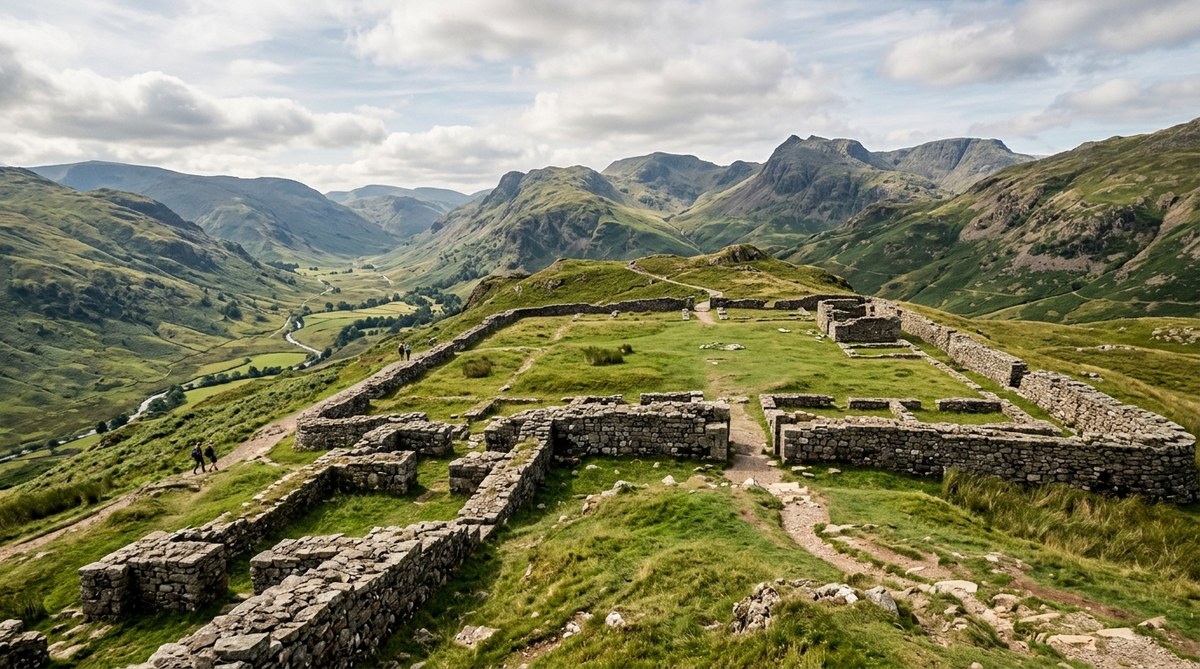
Hardknott Fort is perched high in the Eskdale valley and is famous for its dramatic setting. The climb is steeper than some other sites, but the rewards are spectacular views and an intimate sense of isolation that would have been useful for a watch post. Points to focus on:
– The elevated position that would give sentries a wide field of view
– The layered remains that show phases of construction and repair
– Nearby roads and routes that hint at how this fort connected to supply lines
– The experience of a remote fort in a rugged landscape
If you are up for a challenge, Hardknott is an iconic site that rewards the effort with a sense of Roman engineering and military life in a harsh environment.
Bewcastle Fort
Bewcastle is a striking fort location on a plateau near the border, with substantial earthworks and stone remains. It offers a sense of frontier life in the rough northern landscape. Highlights include:
– A broad enceinte with visible curtain walls and defensive ditches
– Evidence of timber and stone construction through different phases
– Informational panels that describe the fort s layout and daily routines
– Proximity to Bewcastle Cross and other historic markers that enrich the visit
Bewcastle is ideal for visitors who want to combine fort ruins with a broader picture of border defense and local history.
Maryport Fort and the Senhouse Roman Museum
Maryport provides a coastal counterpart to the inland forts. While the ruins may be more modest, the Senhouse Roman Museum hosts a superb collection of artifacts and mosaics discovered in the area. Highlights include:
– A robust collection of Roman stone and metal finds
– Clear exhibits that connect the Maryport site to broader Roman Britain
– A pleasant town center with a harbor atmosphere and places to eat after your visit
– The chance to see Roman maritime artifacts that reveal trade connections across the inland sea
Maryport makes a great end point for a coastal leg of a Roman Cumbria tour, especially for visitors who enjoy combining ruins with excellent museums.
Maps and Getting There
Accessing Cumbria s forts is easier with a plan that includes car access and public transport. Here are practical tips to help you map the day efficiently:
- Start with Carlisle or Haltwhistle as your hub. Both towns offer train connections to other parts of Cumbria and reliable road access for day trips.
- Plan a loop that links Birdoswald, Ravenglass and Hardknott in a logical order to minimize backtracking.
- Use the iRomans.co.uk map features to pin fort locations, museum stops and suggested walking routes.
- Bring a printed map or offline map on your phone in case service is spotty in more remote locations like Hardknott.
If you prefer guided planning, the day trip calculators on iRomans.co.uk can help you estimate drive times, walking times and visit durations so you can fit multiple forts into one day without rushing.
Travel Tips for a Cumbria Roman Fort Day
A successful Roman fort day in Cumbria blends outdoor time, history and practical travel. Here are tips to help you get the most from your visit:
- Time your visit to avoid crowds. Early mornings or late afternoons are often quieter, especially on weekends.
- Check museum opening times in advance. Some sites have seasonal hours and may close for certain days.
- Wear sturdy footwear. Some fort sites have uneven ground and stony paths that require good shoes.
- Bring a light backpack with water, snacks and a small first aid kit. Local shops and cafes exist, but plan for an all day experience if you are visiting multiple sites.
- Consider combining a fort visit with Hadrian s Wall related experiences such as a museum stop or a festival if your schedule allows.
- Respect the site. Do not climb on fragile walls and stay on designated paths to protect archaeology for future visitors.
If you want a guided experience, several local operators offer Roman history tours that cover multiple forts and explain how the frontiers worked. For a self guided option, maps from iRomans.co.uk paired with local visitor center information can be enough to craft a satisfying itinerary.
Beyond the Ruins: Museums, Festivals and Artifacts
A visit to Cumbria is not only about ruins. The region offers a number of museums and events that deepen your understanding of Roman Britain and its daily life:
- Tullie House Museum and Art Gallery in Carlisle features artifacts from the Roman period and contextual exhibits about frontier life. A visit helps connect the Cumbria forts to broader Roman Britain.
- The Senhouse Roman Museum in Maryport houses an impressive collection of statues, inscriptions and other Roman finds discovered in the area. It is a perfect companion to a coastal fort visit.
- Hadrian s Wall events and festivals occur across the year. Look for re enactments, guided walks and talks that bring the wall to life.
- Local markets, historic pubs and village events offer a friendly way to unwind after a day of exploration and absorb regional culture.
These experiences complement ruins with storytelling, hands on artifacts and community events. They turn a simple day trip into a fuller narrative about Roman Cumbria.
Practical Travel Guide for Planning Your Visit
To plan an enjoyable and efficient trip to Cumbria s forts, consider the following practical guidance:
- Best seasons: Spring and autumn offer moderate weather for walking the sites and enjoying the countryside. Summer can be busy with school holidays and festivals.
- How to reach: The train network centers on Carlisle and extends to other towns. Car travel makes it easier to reach more remote forts like Hardknott.
- Parking and accessibility: Some fort sites have limited parking and uneven ground. Check the latest visitor information before you go.
- Food and drink: Plan meals in nearby towns like Carlisle, Ravenglass village or Maryport. Many local pubs and cafes offer hearty meals after a day of walking.
- Safety: There are exposed edges and steep slopes in some locations. Keep children close and stay on marked paths.
If you want to maximize your time, you can combine fort visits with Hadrian s Wall walking paths or a day trip along the Solway coast. The right combination depends on how much walking you want to do and whether you prefer coastal scenery or inland hill country.
Plan Your Visit with iRomans.co.uk
iRomans.co.uk is designed to help you explore Roman Cumbria with practical tools and expert insights. The site offers:
- Fort histories that explain how each site functioned within the frontier system
- Detailed maps that show fort locations, roads and walking routes
- Day trip calculators that estimate drive times and visit durations
- Travel guides that cover transport, parking and accessibility
- Connections to Hadrian s Wall experiences and nearby museums for a richer day
- Information about festivals and artifacts that bring the Roman era to life
Whether you are chasing a single fort or building a longer itinerary that includes multiple forts, iRomans.co.uk provides resources to help you plan, navigate and enjoy every minute of your Roman Cumbria adventure.
A Focus on Preservation and Respectful Travel
Visiting Roman forts is a chance to connect with history and the landscape. To preserve these fragile sites for future generations, follow these simple guidelines:
- Stay on marked paths and avoid climbing walls or stepping on fragile mound sections
- Do not remove stones or artifacts from the site
- Respect signs and information panels that explain the site
- Take only photographs and leave only footprints
- Support local museums and visitor centers by purchasing exhibits or guides
By traveling respectfully, you contribute to ongoing preservation and enable others to experience the same awe for years to come.
A Rich Itinerary for Roman Enthusiasts
If you love combining archaeology with day trip planning, here is a sample one day plan you can adapt to your schedule:
- Morning: Birdoswald Roman Fort and Hadrian s Wall section
- Midday: Ravenglass for a coastal perspective and lunch by the harbor
- Afternoon: Hardknott Fort hike if you want a challenging walk, or Bewcastle for a border frontier experience
- Late Afternoon: Maryport for the Senhouse Museum and a stroll along the harbor
- Evening: Return to Carlisle or explore a local town for dinner and reflection
If you have more time, break the journey into two days and add a visit to Tullie House Museum in Carlisle for enriched context and artifacts.
Final Thoughts
Cumbria s Roman forts offer a unique blend of history, geography and travel that suits explorers who love walking, museums and scenic roads. The way the forts line up along the frontier tells a story of movement, defense and daily life that is easy to feel when you stand on site. With careful planning, you can experience a rich, immersive day or weekend that connects Hadrian s Wall, coastal forts and inland frontier posts.
For travelers who want a reliable guide, iRomans.co.uk provides the maps, fort histories and practical travel guidance you need to plan your journey. Explore the forts, wander among the ruins, visit the museums and enjoy the landscapes that shaped Roman Cumbria. Whether you are a veteran Roman enthusiast or a curious traveler, Cumbria welcomes you with open fields, weathered stones and stories that echo across two millennia.